What kind of students should consider attending boarding school? In this clip from our CEO’s conversation with placement expert Neal Kamsler, the two discuss how traditional wisdom about boarding schools may not hold water.
Across our platform, students exhibit statistically significant increases in test percentile after every practice test. We see that our students don’t just improve by using our platform, but they improve consistently over time, further reinforcing that practice makes perfect. Students who use the Test Innovators platform see a 20% increase...
As you research the admissions process for different independent and private schools, you may notice that many schools’ admissions offices mention a holistic review process. What does this mean exactly, and how does it affect your application specifically?
Our SSAT Prep Guide is now available in both online and print format. Use the Prep Guide along with our web-based practice platform, and you'll be well on your way to test success!
The first step in your SSAT prep is to take a full-length practice test. The initial practice test serves as a benchmark, or diagnostic test, and is the jumping-off point of the preparation process. We generally recommend taking this test as early as possible, but it is never too late.
The SSAT at Home is the same test as the traditional SSAT— the only difference is that the test is administered on the computer rather than on paper. However, because the experience of taking a test at home on the computer is different from taking a test in person...
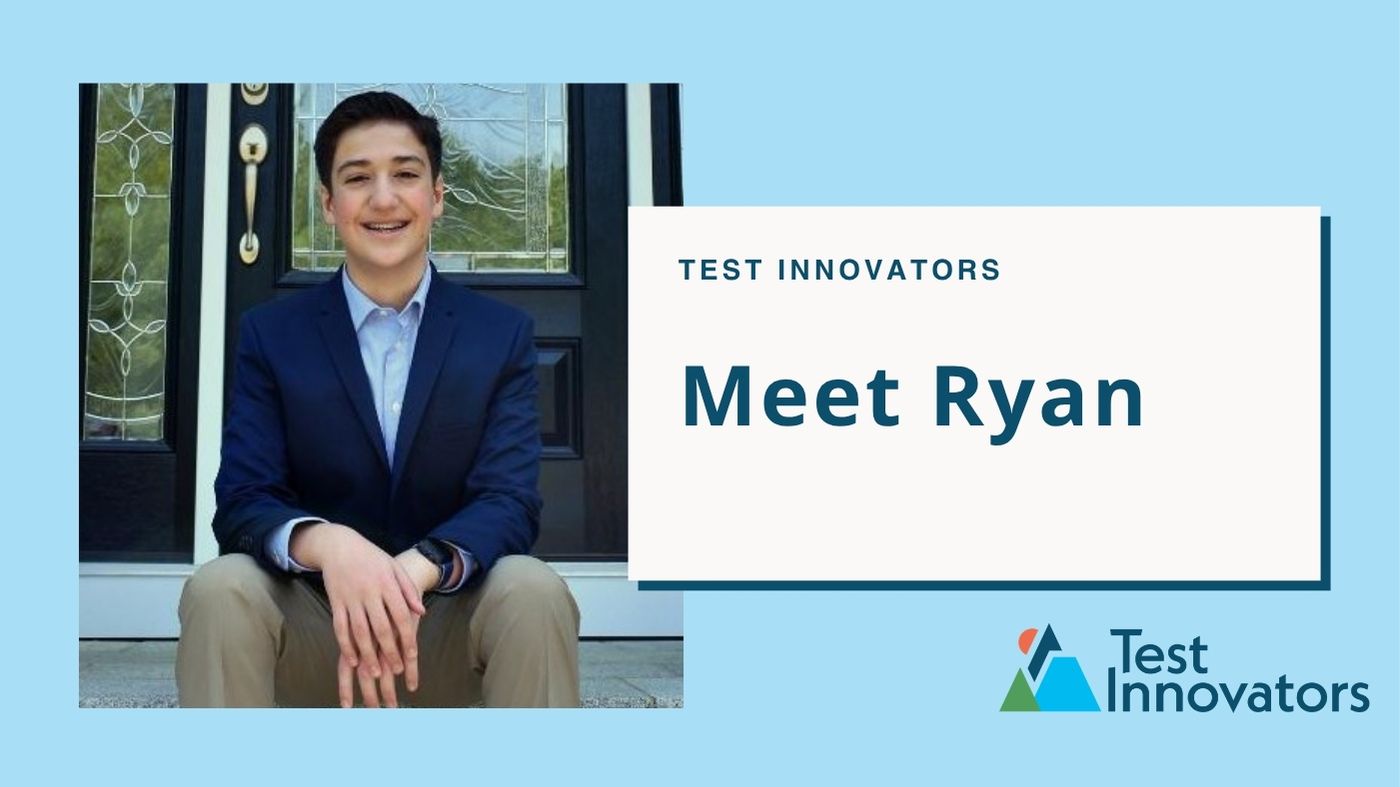
We are pleased to introduce Ryan, one of our 2020 scholars. Ryan’s perseverance and dedication allowed him to increase his SSAT score by 51 percentile points, scoring in the 81st percentile overall.
Did you know there are over 300 boarding schools in the US? In fact, over 25 are scattered throughout California alone. Today’s boarding schools exude a college campus atmosphere that welcomes students from all over the world to study and learn in a supportive environment.
Test Innovators and ERB, publisher of the ISEE, have teamed up to ensure that every student has access to high-quality test preparation tools. Our organizations believe in the importance of leveling the playing field for all test takers, decreasing test-related anxiety through familiarization, and empowering students to use test prep...